— NEWS
Nine days, three countries — visiting our partners.
In February, I travelled to the United States, Mexico and Peru to visit our partners and see for myself how the season is developing. Three countries in nine days, six flights and quite a few kilometres on the road. Intensive, but very valuable. By being in the fields and following the process up close, you get a realistic view of production, quality and planning for the weeks ahead.
Los Angeles – Market Insights at Gourmet Trading
The trip started in Los Angeles, where Laura and Ayako picked me up from the airport. The office and warehouse of Gourmet Trading are located just a few minutes from the airport. During the tour, it became clear how closely sales and logistics work together and how the team switches daily between different markets, including Europe.
After that, we visited a number of retailers. It remains valuable to see how asparagus and soft fruit are presented on the shelves and at what price levels they are sold. This gives a good feel for the market and helps to better understand current developments. We ended the day with dinner in the city, before the alarm clock went off early again for the next leg of the trip to Mexico.
Caborca – Asparagus in production
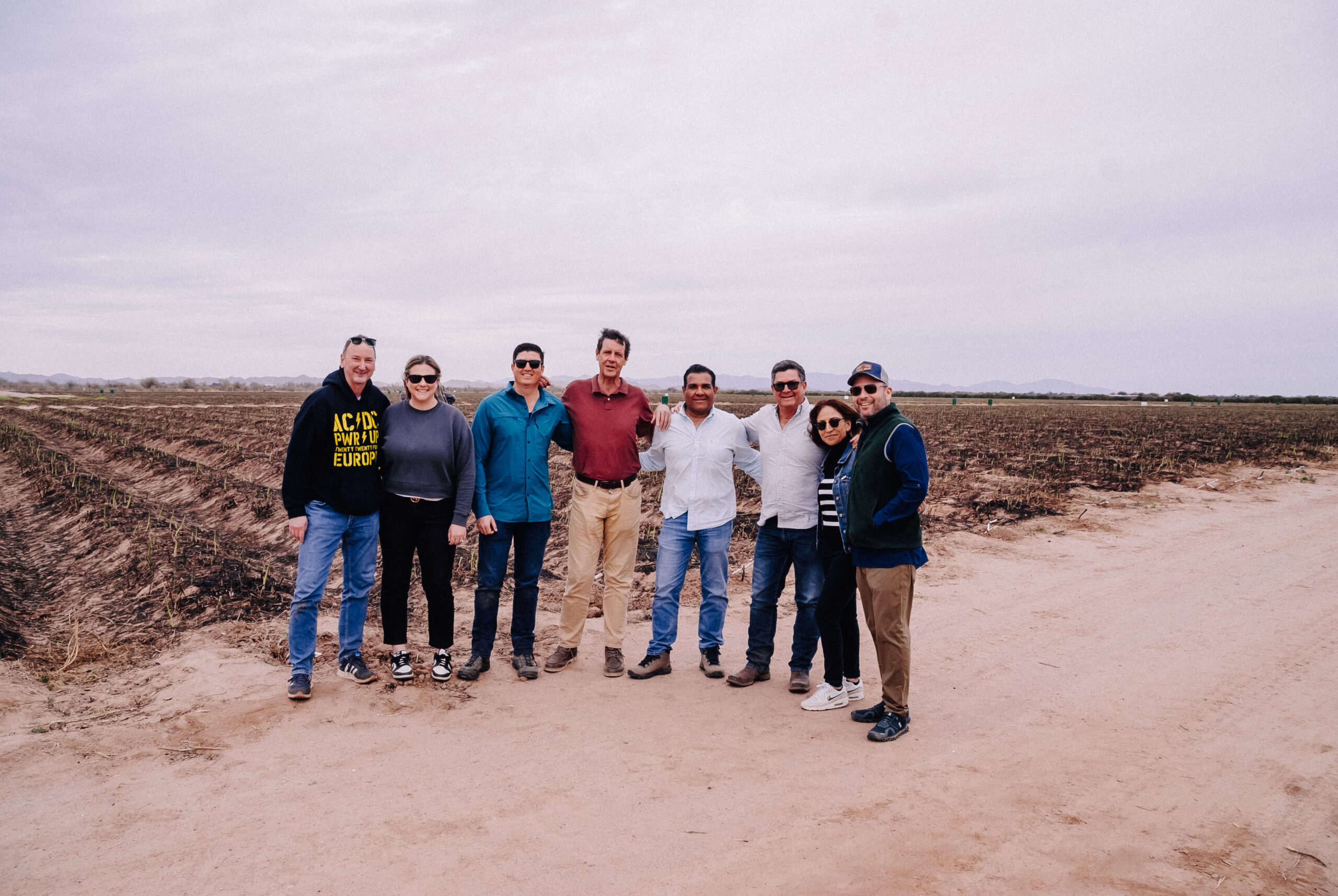
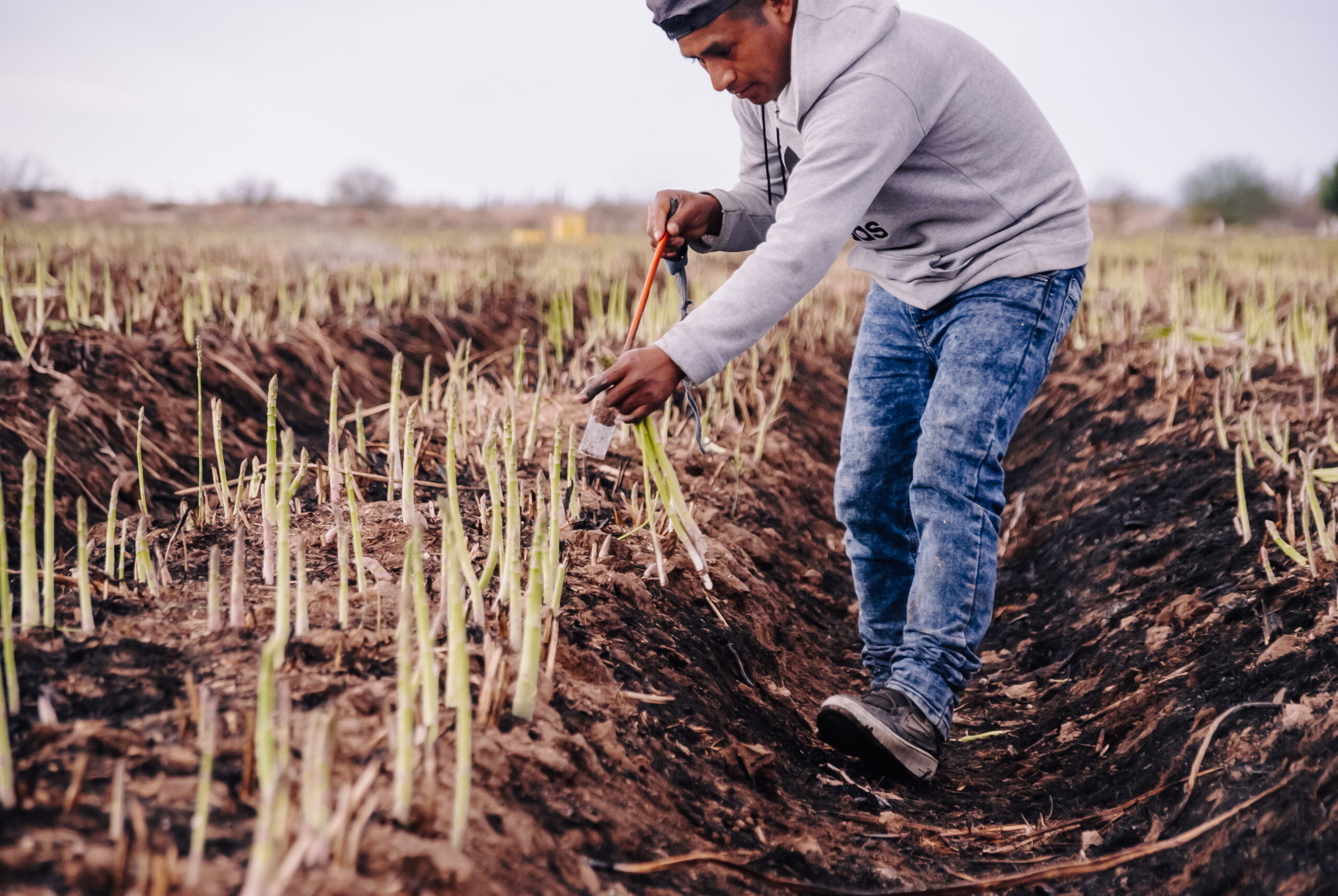
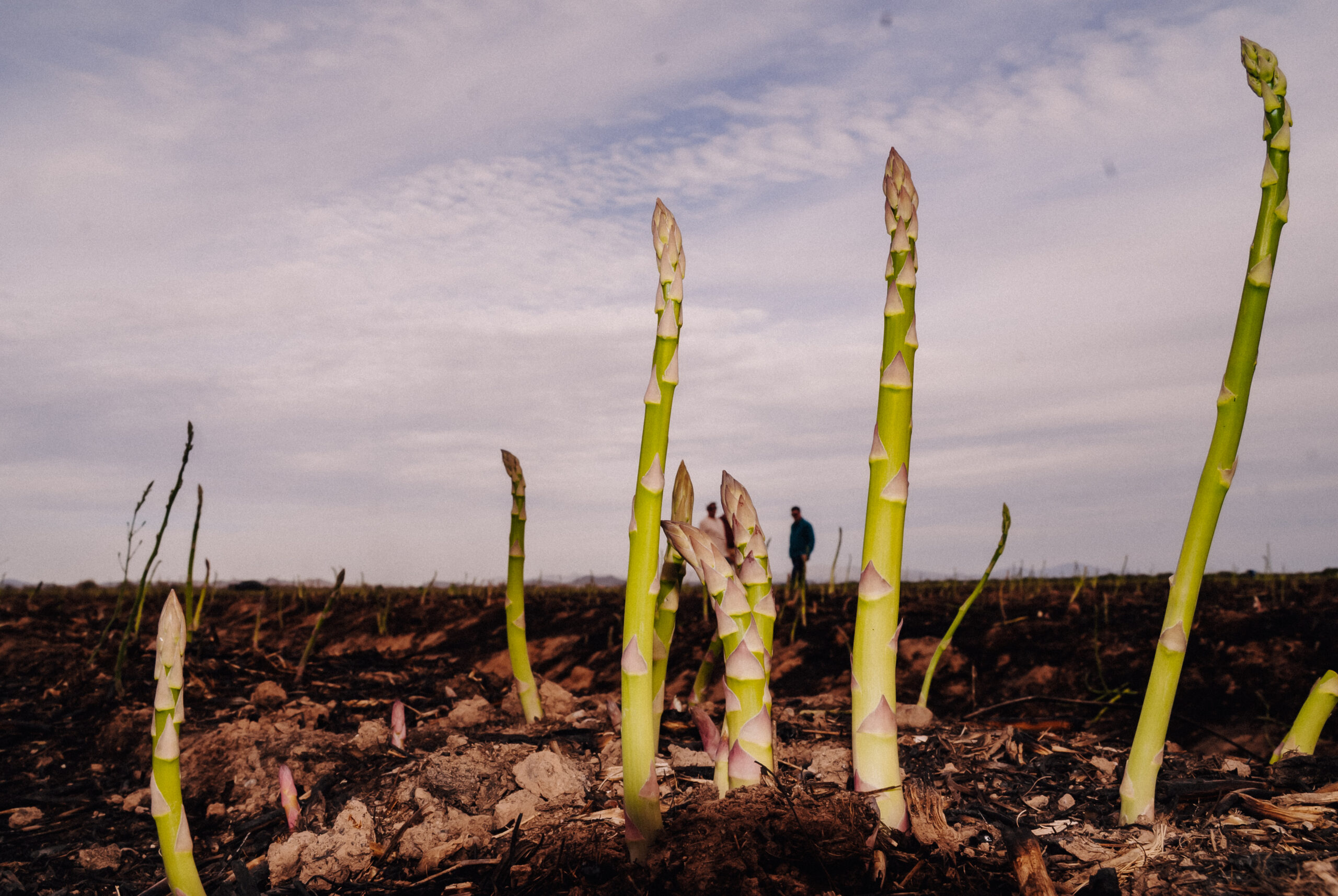
From Phoenix, we drove to Caborca, the heart of Mexico’s asparagus production. The landscape is dry and vast, but among the sand lie modern and well-maintained fields. Many of the plots I visited are around four years old and looked strong and healthy. Production is currently stable and the size distribution was notable, with a clear presence of larger sizes.
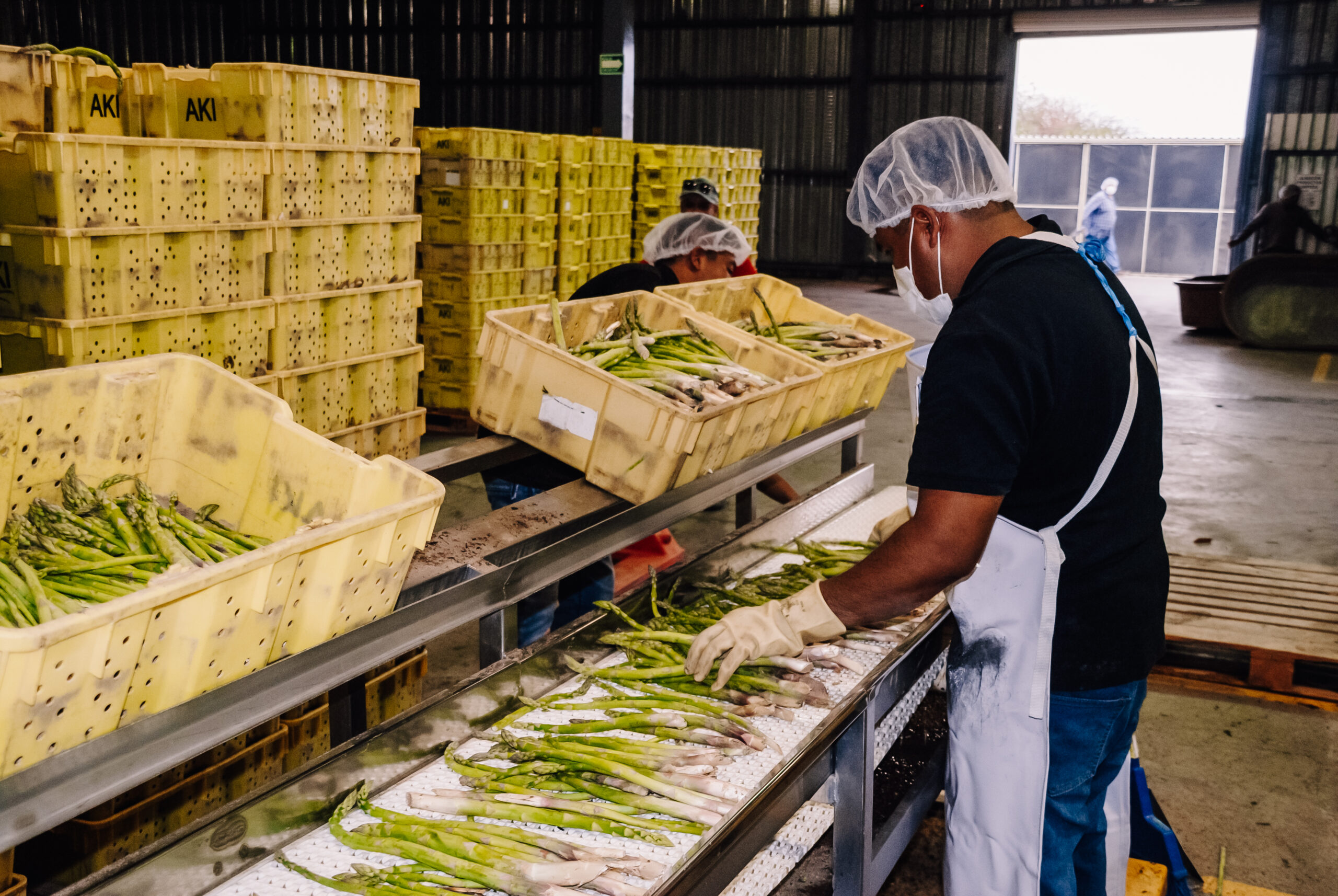
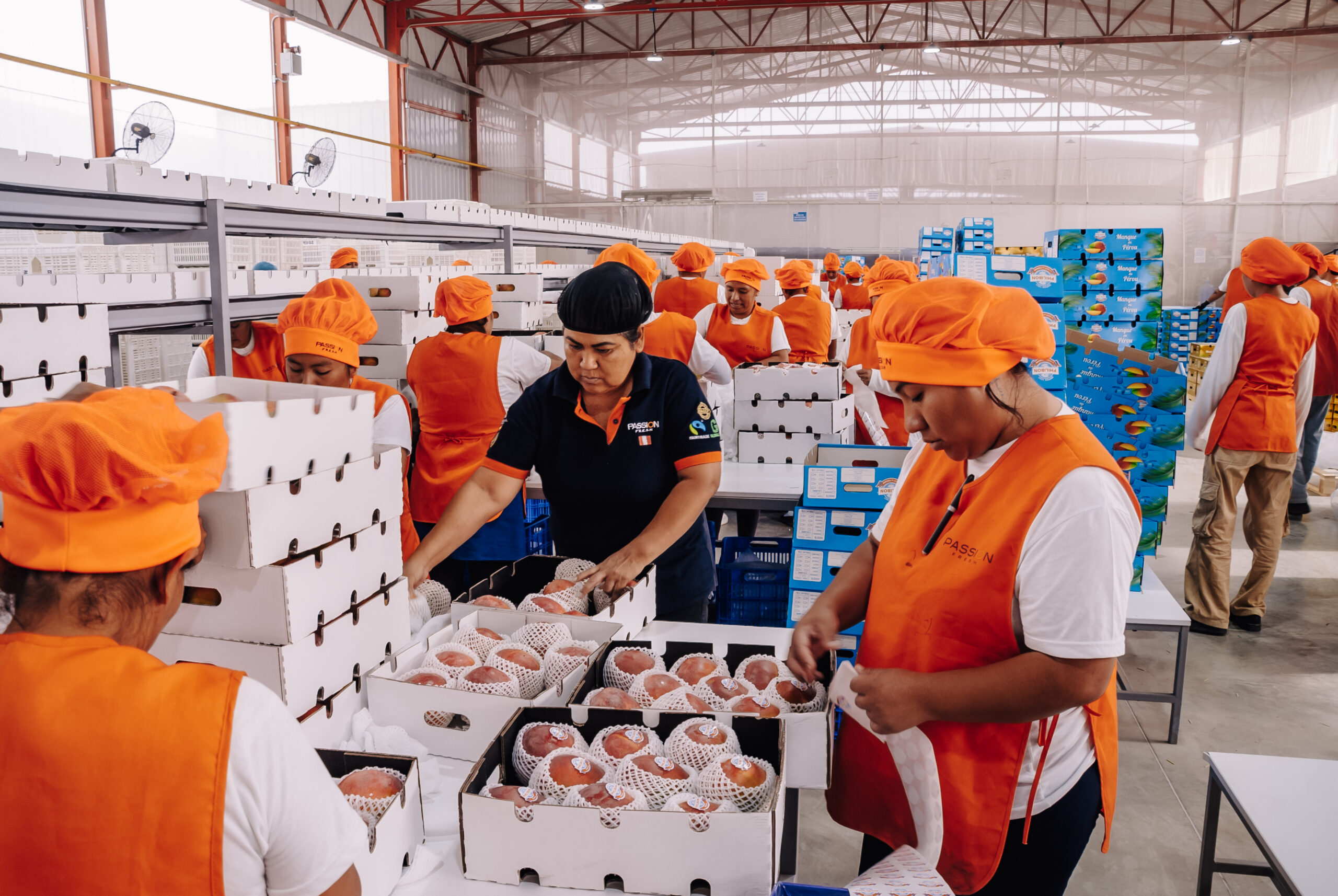
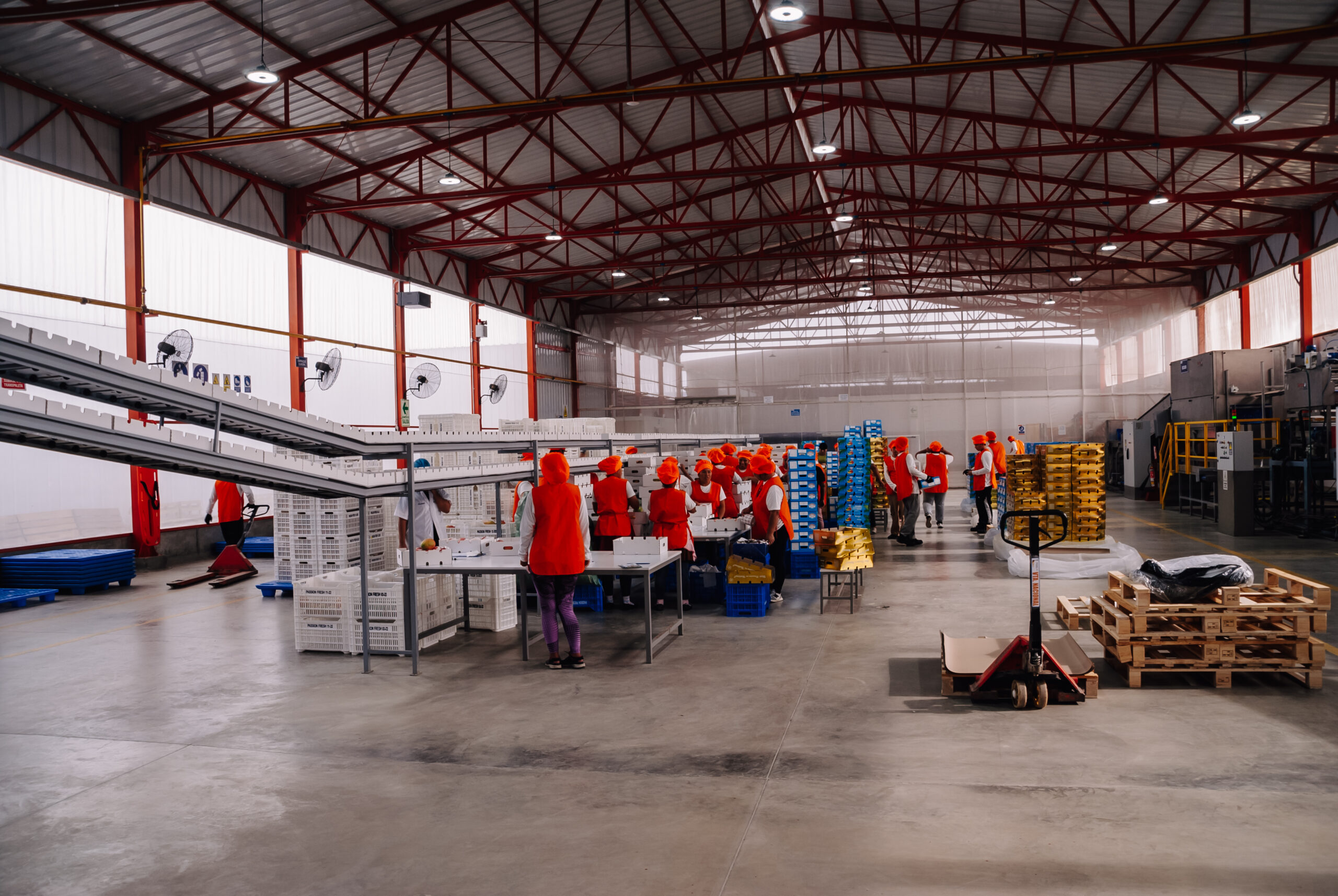
At the packing stations, it was clear how carefully the selection and packing process is carried out. Harvesting and packing are in full swing in preparation for the coming weeks. With changes in import tariffs taking effect on 1 March, timing plays an important role in the planning. Based on what I observed in the fields, I adjusted the volumes for the end of February.
The evenings at Librado’s ranch gave the trip a personal touch. With a Mexican barbecue, conversations about seasonal developments and an impressive starry sky above the desert, plenty was discussed outside working hours as well. It is often during these informal moments that the most open conversations arise about expectations and challenges.

Casma – Mangoes in the beginning of the season
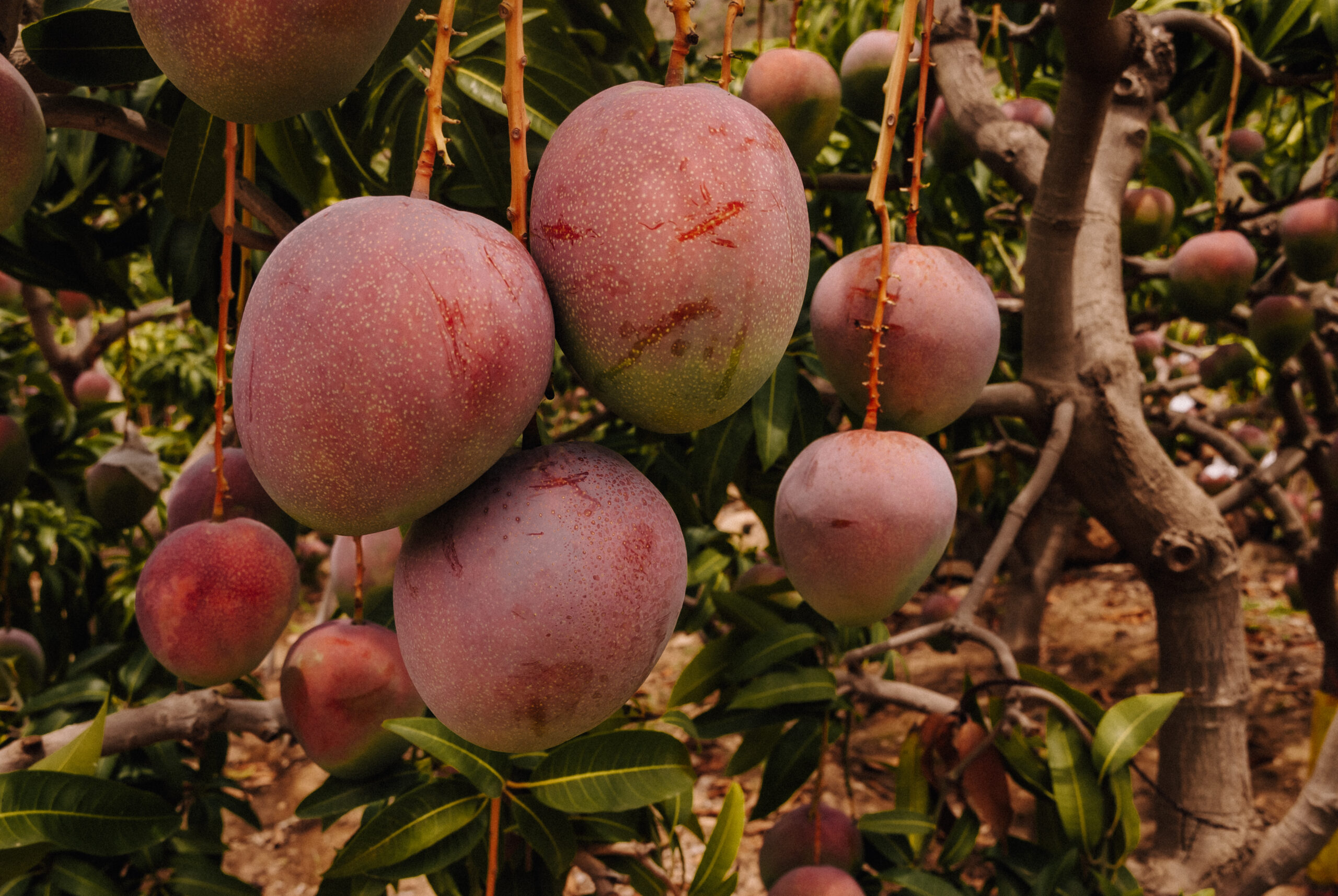
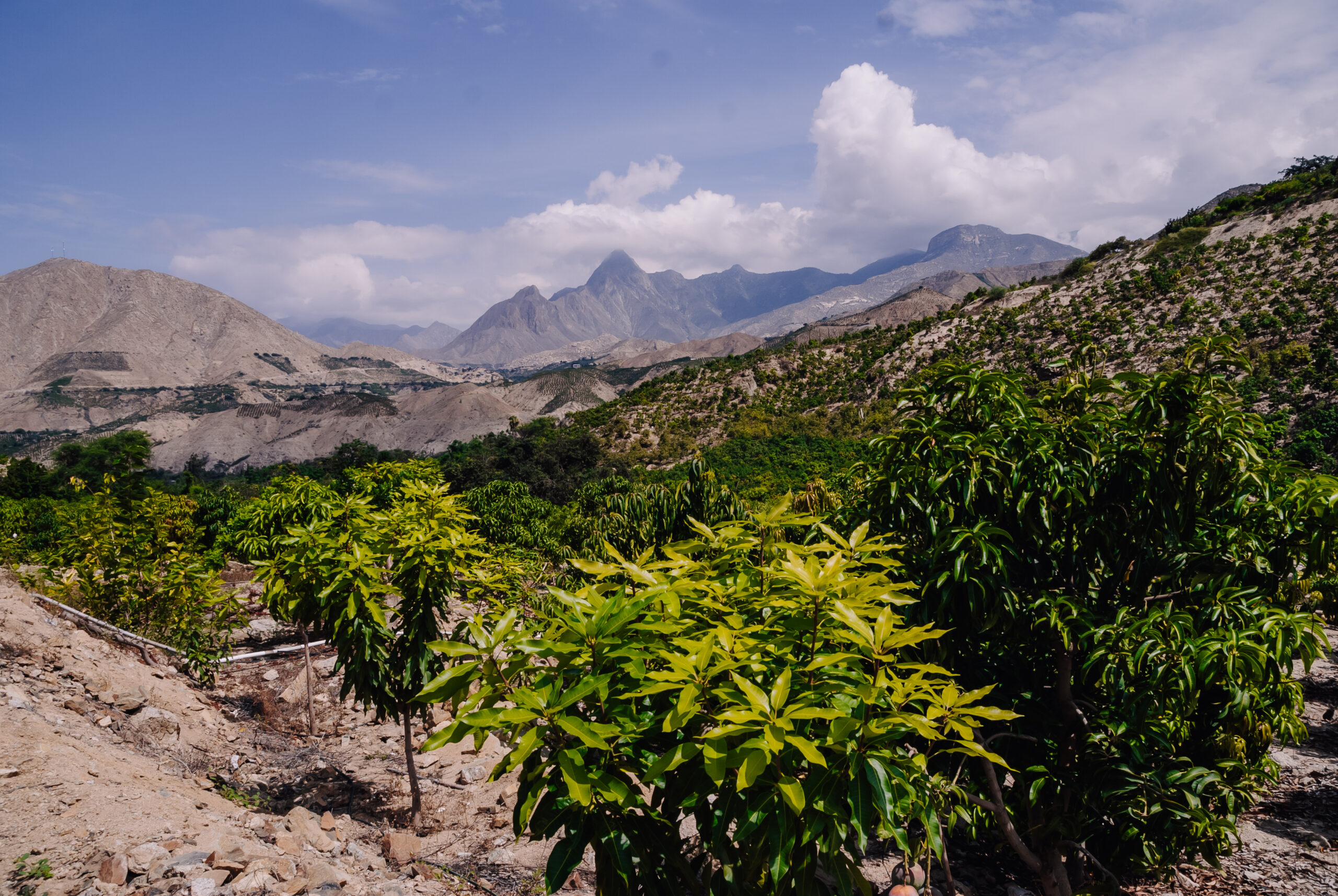
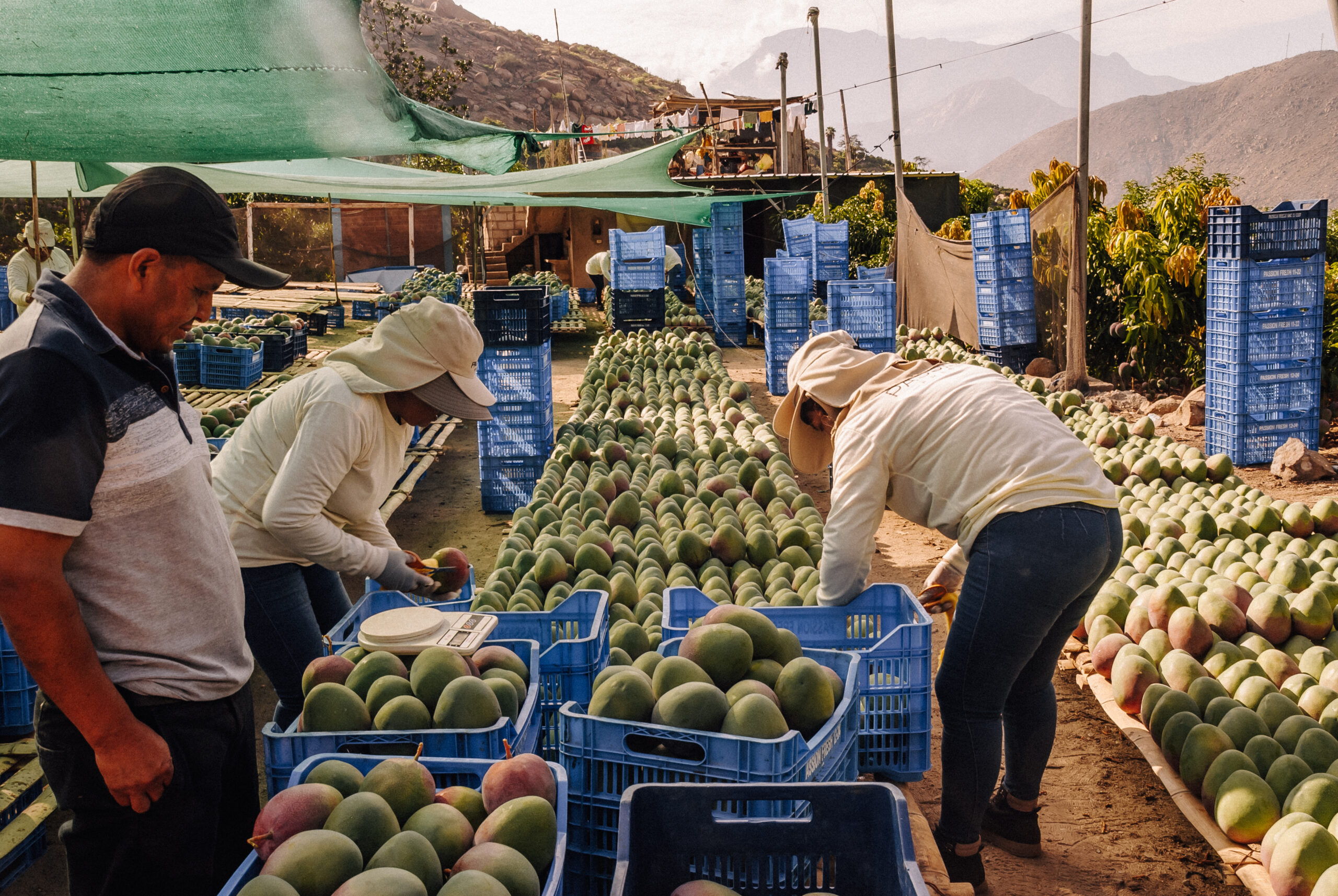
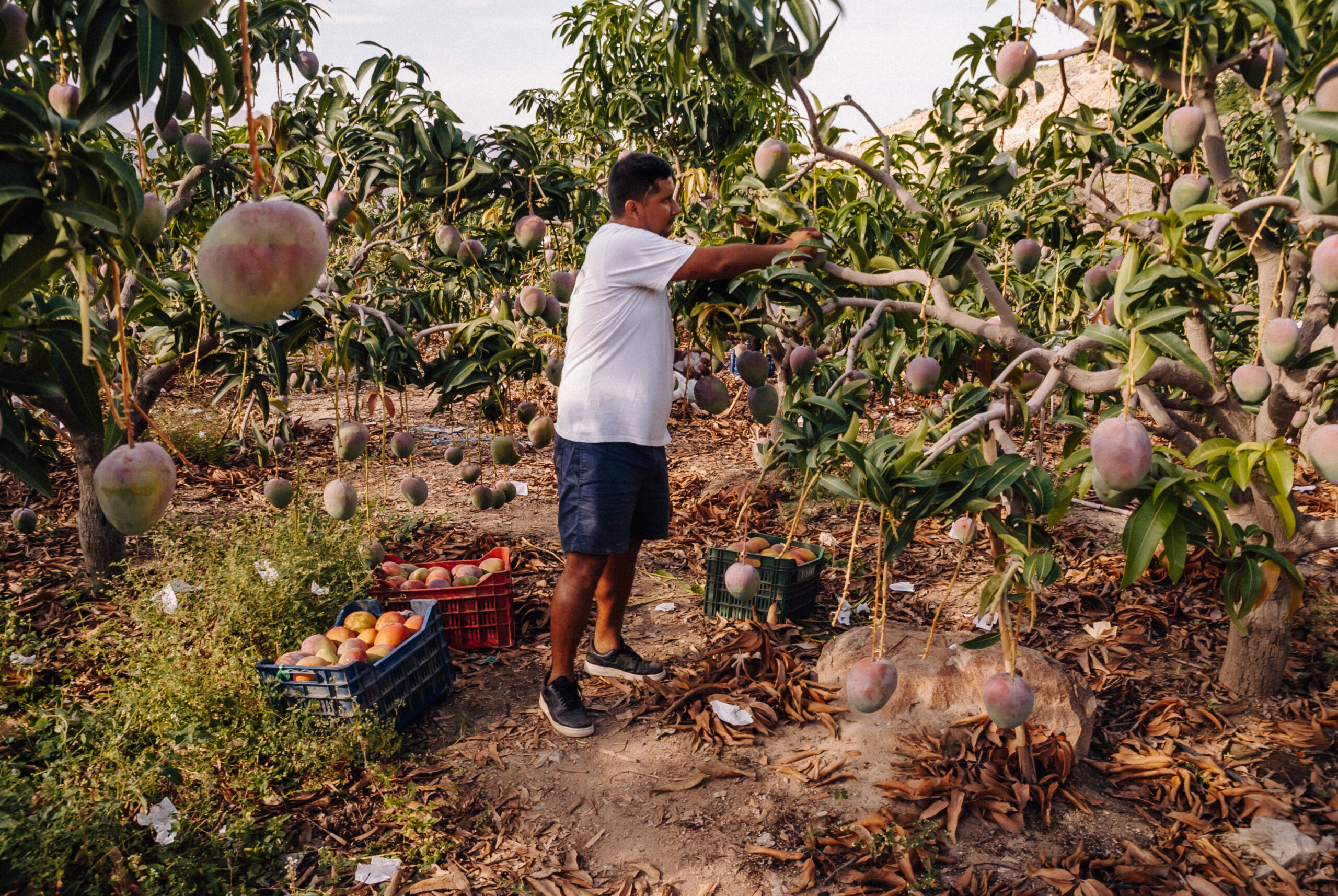
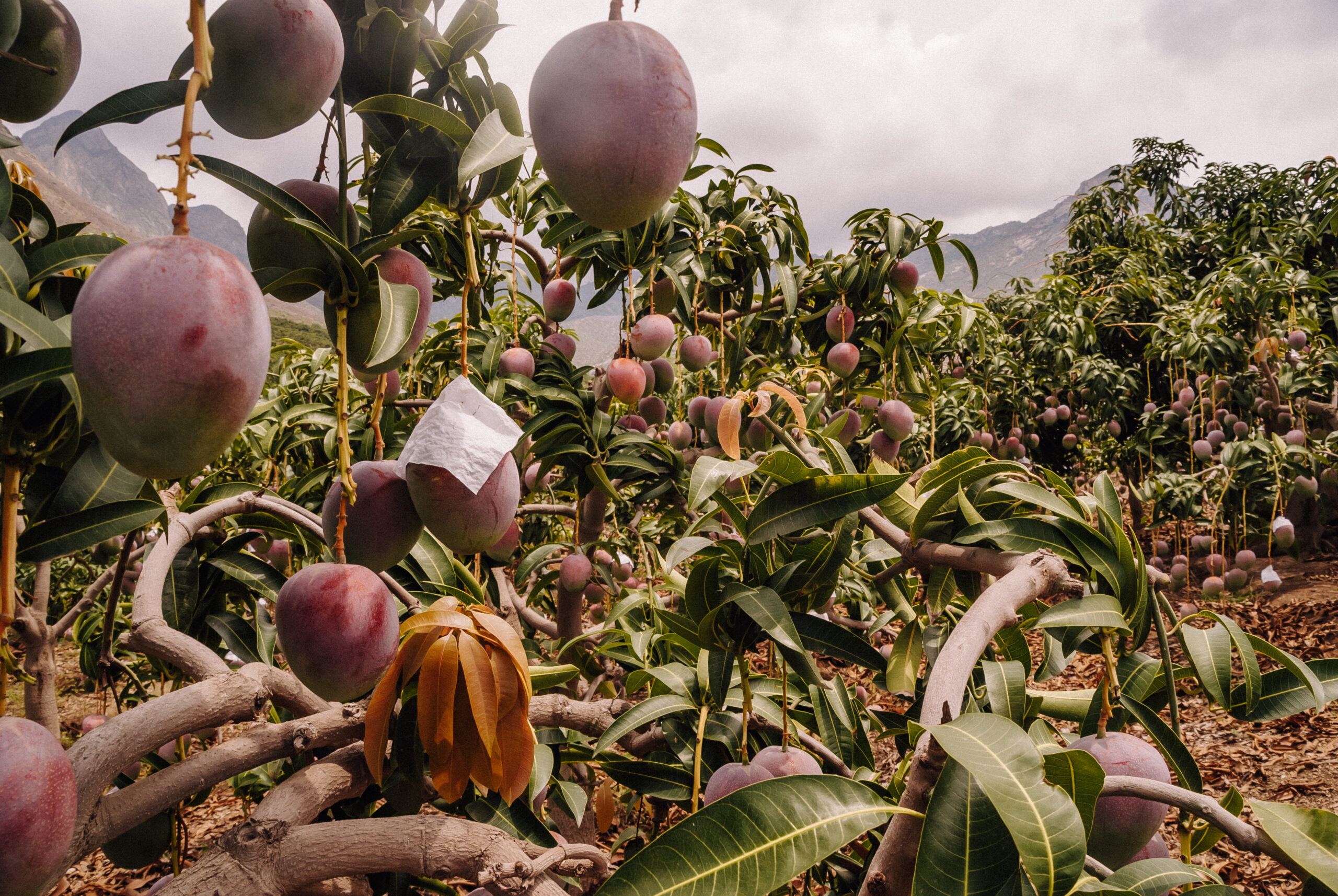
In Peru, Juan from Passion Fresh picked me up for the drive to Casma, where the mango season is just getting underway. In the fields near Cosco, the trees were noticeably full. What stands out this season is the strong presence of larger sizes. In some plots, you can see mangoes in the trees covered with a small paper sleeve. This is purely for protection: the paper prevents sunburn and helps keep the skin smooth and even.
After harvest, the stems of the mangoes are trimmed short, after which the fruits are placed upside down. This allows the latex released from the stem to drain away gradually, preventing sticky stains on the skin.
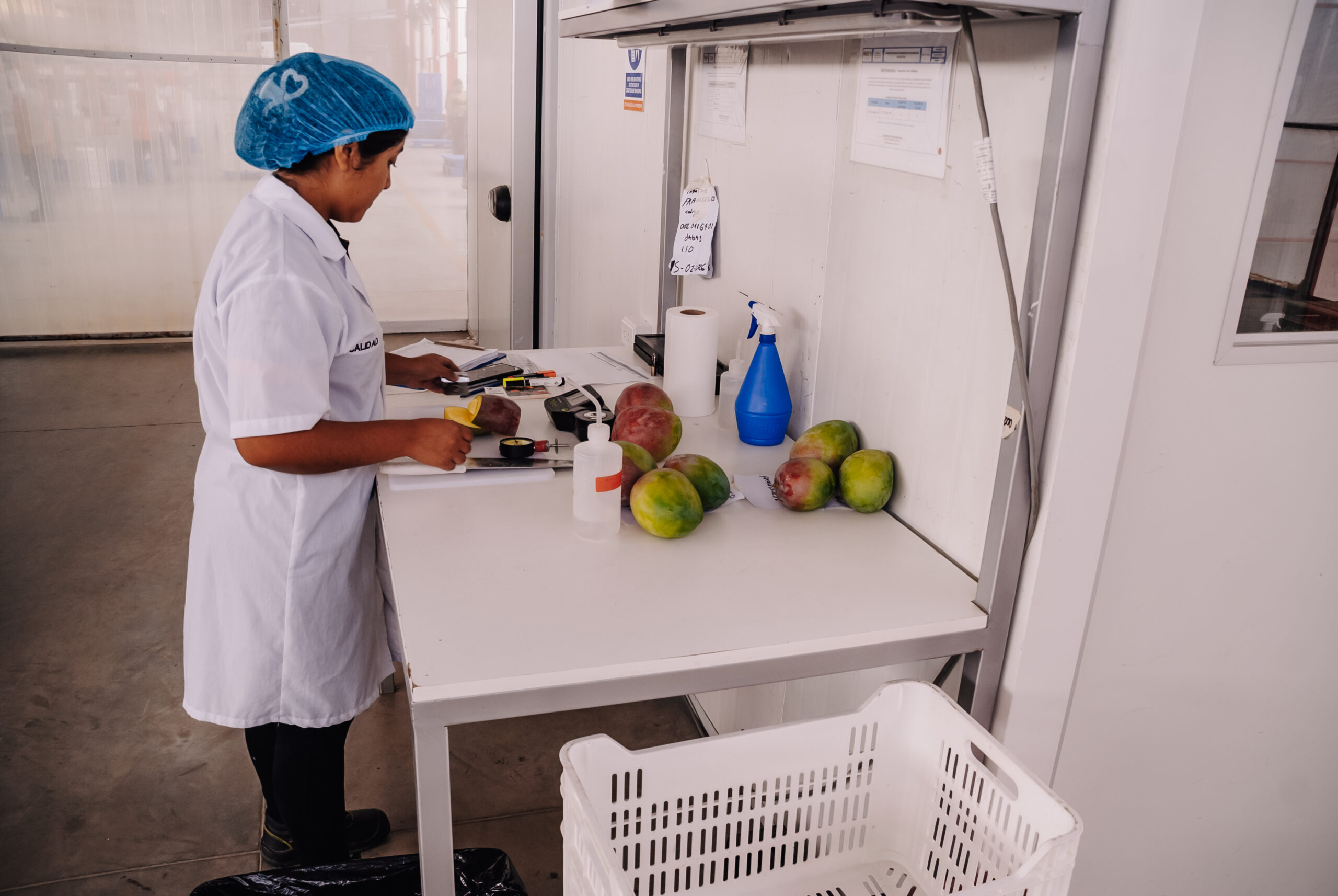
This has been a challenging year due to the weather and heavy rainfall. The season in Piura had to end earlier because of the rain, which caused anthracnose (a fungal disease). However, the quality in Casma is consistent and the volumes in the key sizes are well available. This gives confidence, although it does require flexibility in planning and logistics.
The days were warm, the pace was high, and communication often took place in a mix of English, Spanish and plenty of hand gestures. That can make it intense at times, but also very valuable, because you are in direct contact with the people who take care of the product every day.
Chimbote and Lima – Figs and Organic Aji Amarillo
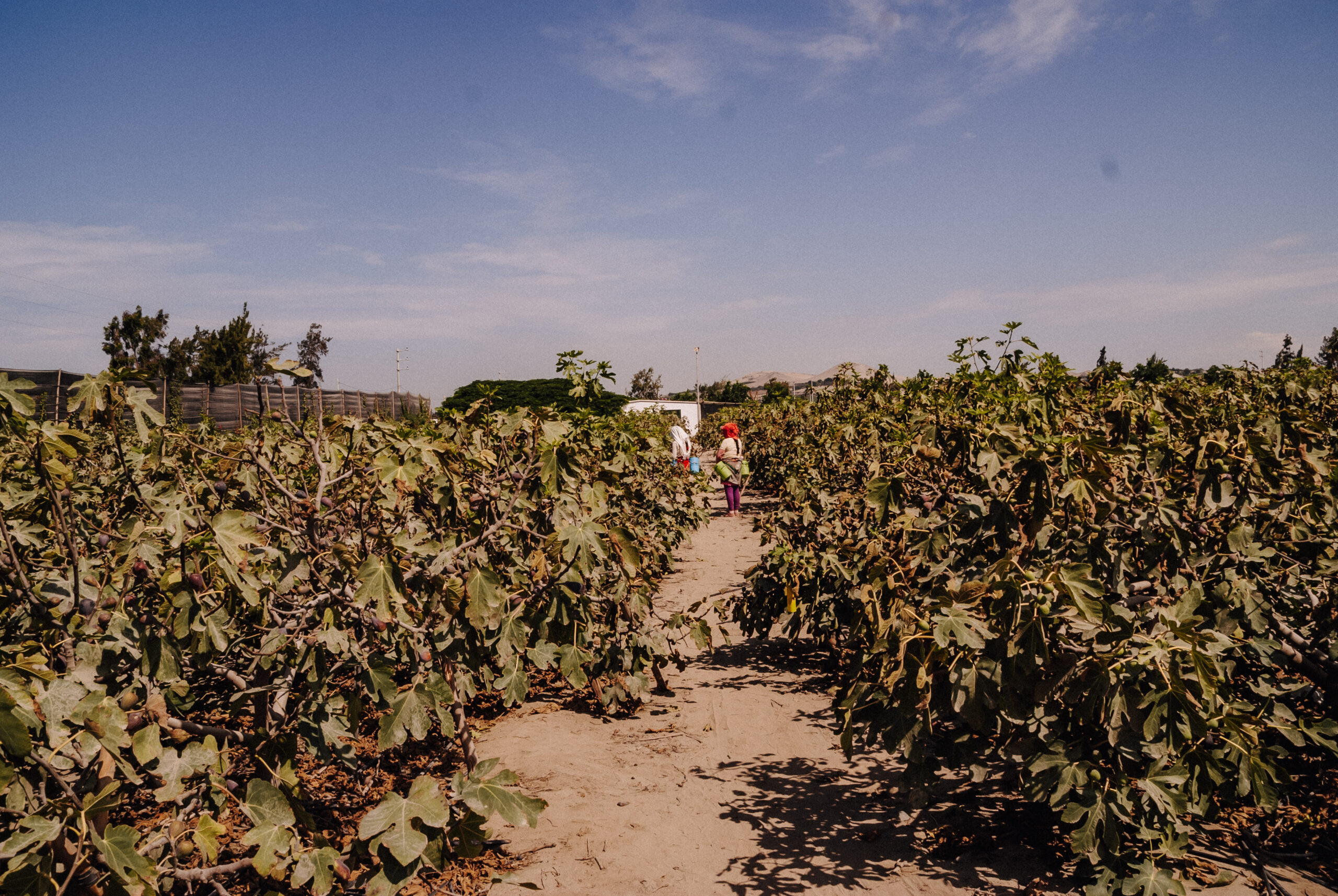
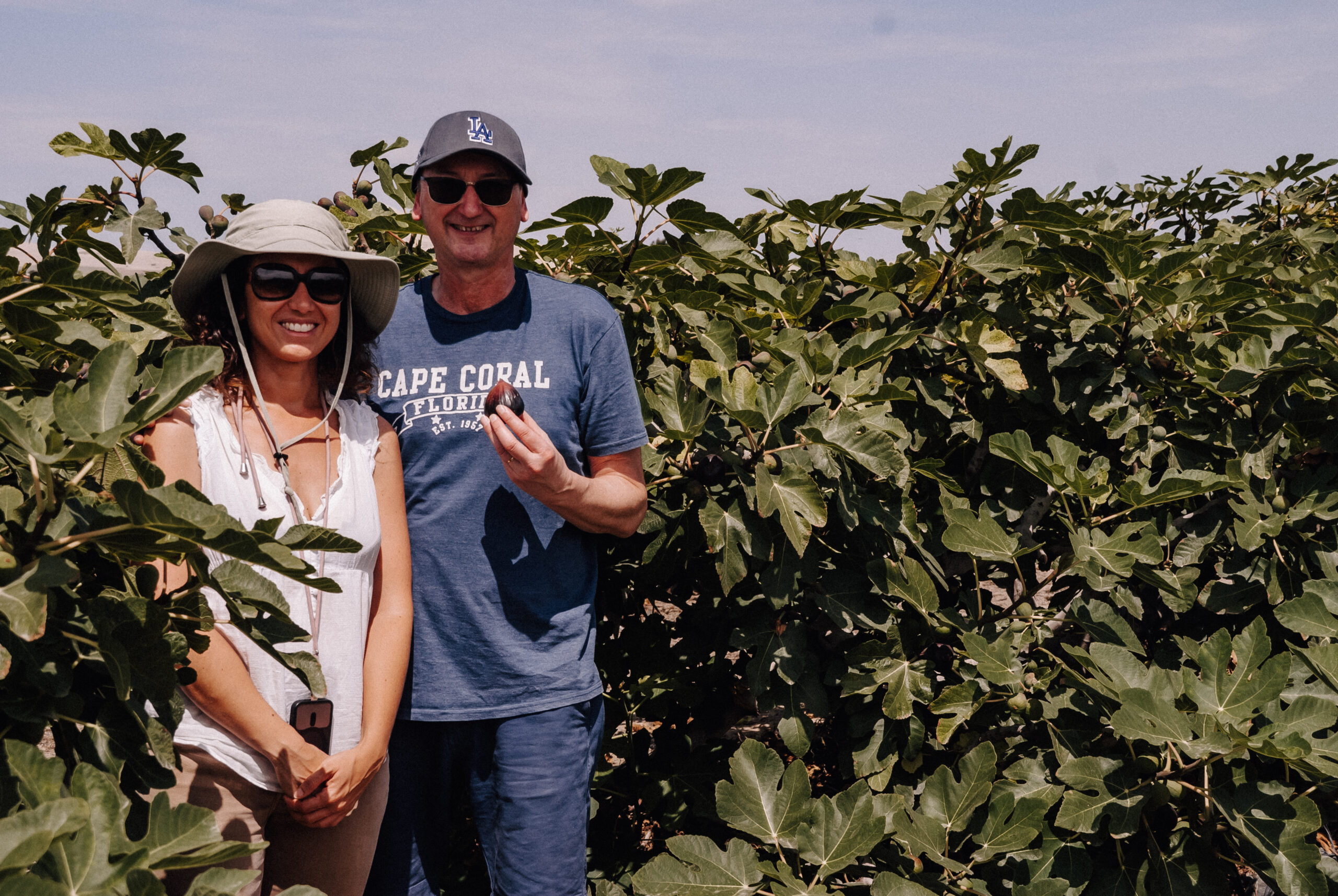
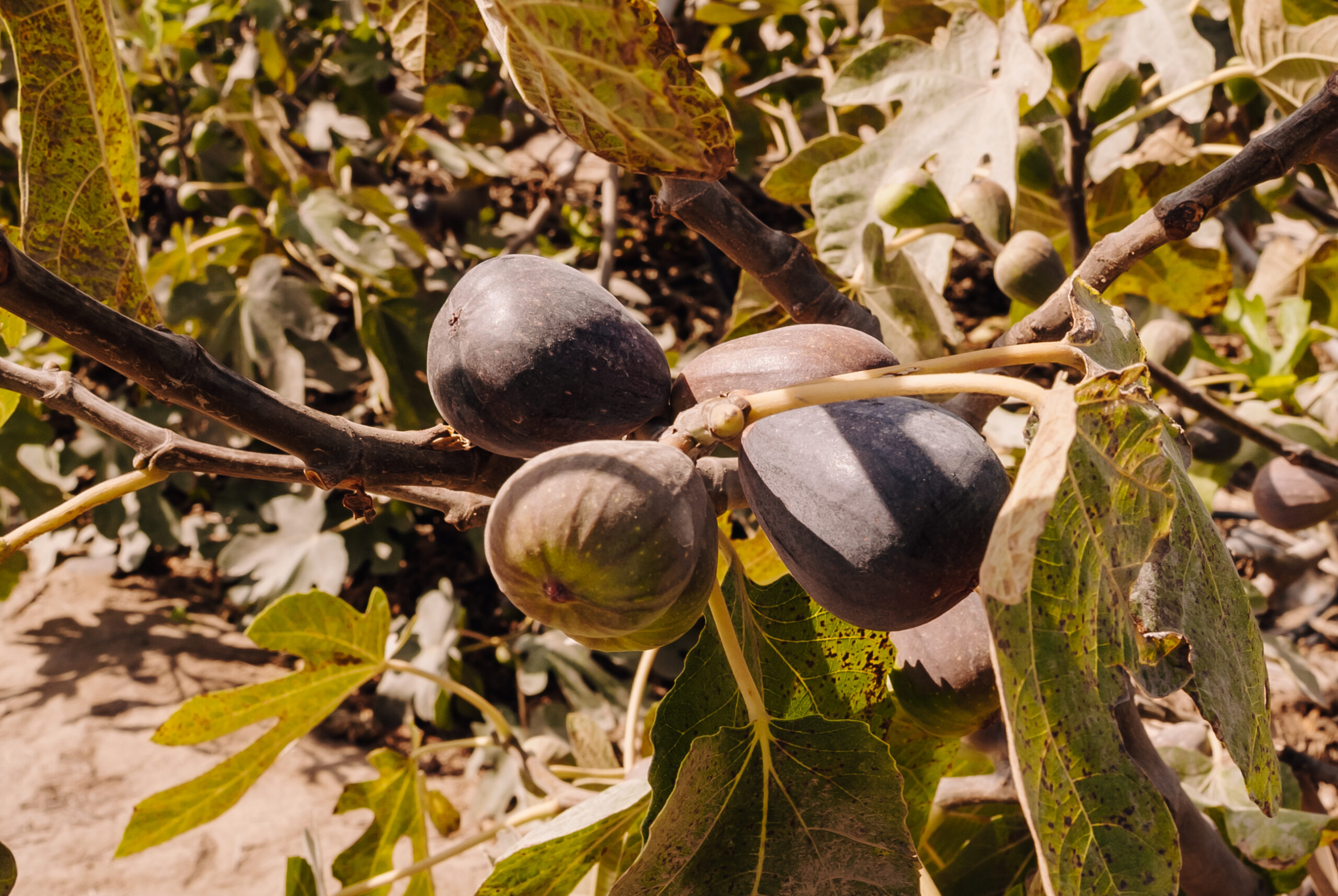
Together with Aurelie, I visited the fig fields around Chimbote. Here you can really see how delicate the product is. Everything is done by hand, and the speed from harvesting to cold storage is crucial for maintaining shelf life.
The season will continue into the spring, with a particular focus towards Easter.
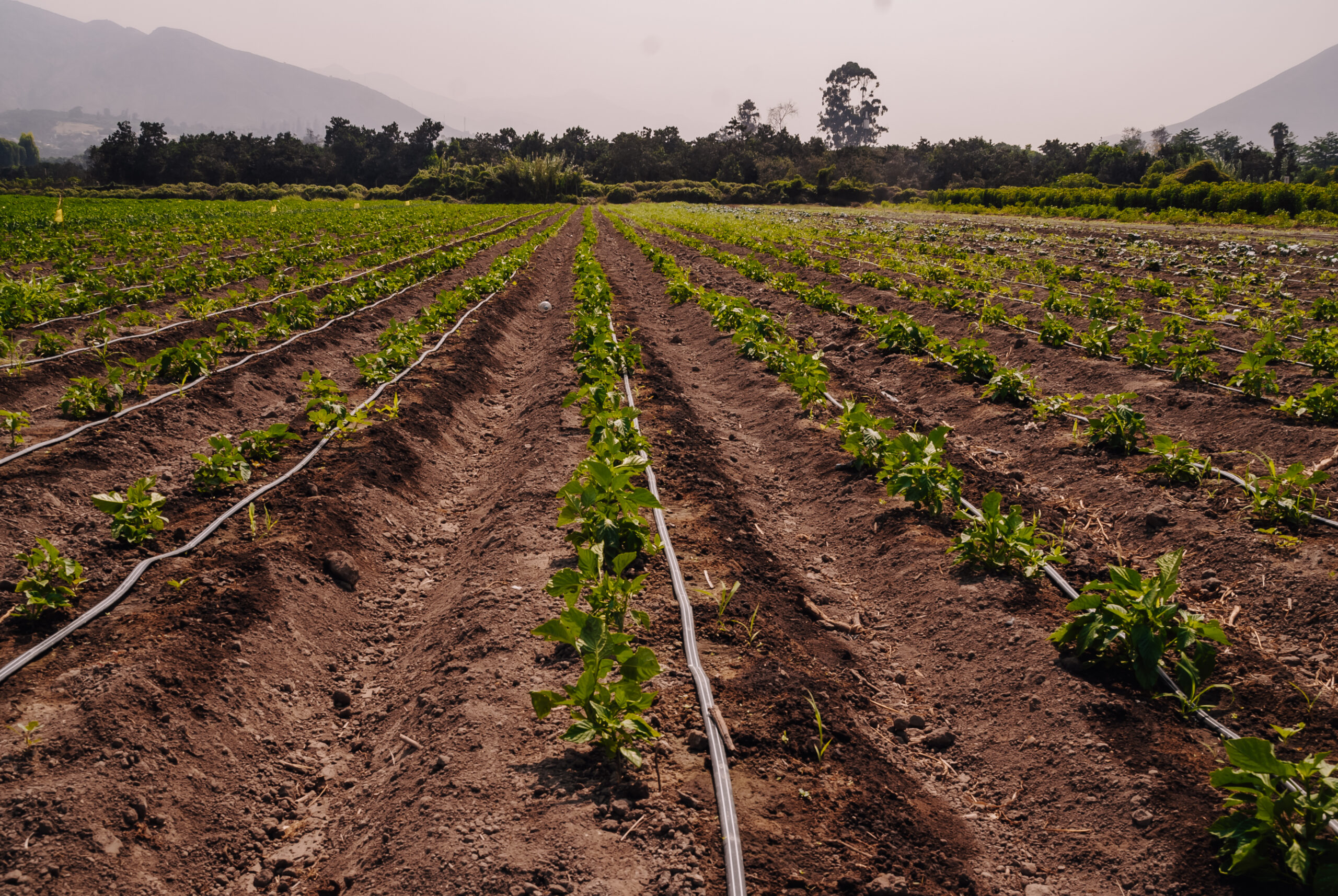
The drive to Lima was unexpectedly delayed by a flat tyre, but we eventually finished the trip there. In Lima, I visited a new organic Aji Amarillo project set up in collaboration with a university. The project is still in its development phase, but it shows how professionalisation and controlled cultivation are becoming increasingly important, especially when it comes to residue management and year-round availability.
A dinner with Aurelie and her husband Julio — including the first Pisco Sours of the trip — was the perfect way to end this intensive but valuable journey.