The balance between climate goals and community interests
As an importer of fresh fruit and vegetables, we face an important challenge: how can we contribute to climate objectives without losing sight of the economic interests of communities in countries of origin? Finding the right balance between environmental impact, employment, and economic development is essential.
Our fresh products are regularly transported in the cargo hold of commercial passenger aircraft to ensure quality, availability, and freshness. It is important to recognise that a reduction in airfreight volumes does not automatically result in fewer flights. Flight frequencies are largely driven by passenger demand, meaning that a decrease in airfreight has only a limited impact on the total number of flights.
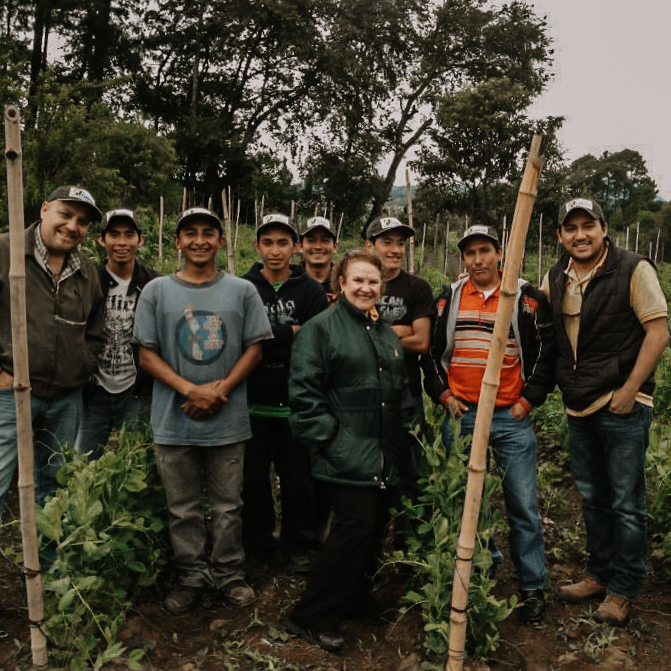
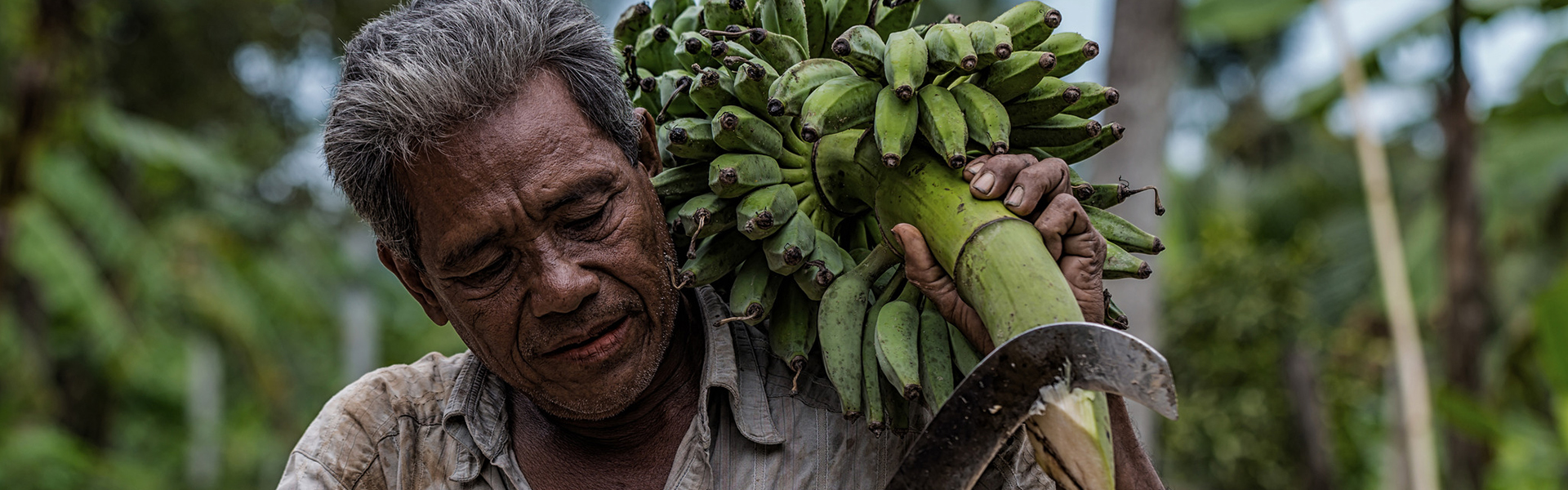
While we continue to reduce our environmental impact, we must not lose sight of the impact on communities in developing countries. For many of these communities, the export of fresh produce is an important source of income and food security. Reducing imports by air freight can lead to a loss of jobs and income, which in turn can harm local economies.
According to the latest Fairmiles research, an estimated 18 million people in developing countries benefit from the export of fresh produce transported to the European market via these flights. The export of fresh produce creates employment and income opportunities for farmers and producers, enabling them to invest in their communities through initiatives such as schools, healthcare facilities, and infrastructure. In addition, these exports contribute to economic growth and diversification, helping countries to further develop and reduce poverty.
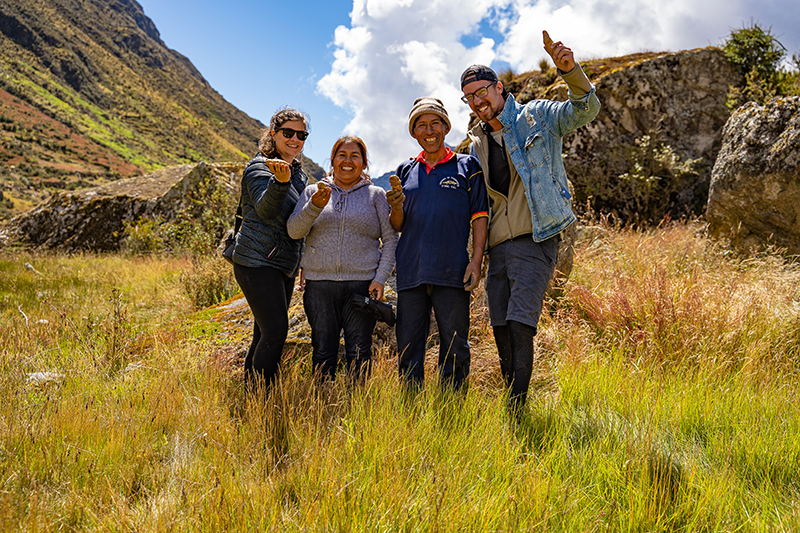
As pressure on organisations to address climate change continues to grow, there is an increasing risk that Net Zero strategies focused on reducing emissions by limiting imports or air-freighted produce may unintentionally have negative consequences for communities in less economically developed countries.
Therefore, we believe it is essential to find the right balance between climate goals and community interests. Rather than supporting an abrupt end to air-freighted imports, we advocate a gradual transition towards practices that reduce environmental impact while also considering the needs of the communities that depend on international trade.
GlobalG.A.P.
Almost all of our suppliers are GlobalG.A.P. certified. GlobalG.A.P. is a global non-profit organisation that develops standards for good agricultural practices. The organisation sets requirements for growers in areas such as food safety, traceability, environmental aspects, health, welfare, safety, and animal welfare.
Geef uw feedback over BizChat

— INTERNATIONAL
COLEAD
Bud Holland collaborates with the international organization COLEAD. This organization aims to strengthen trade and cooperation between ACP countries and the European Union.
In close cooperation with COLEAD, we help our suppliers in ACP countries to further professionalize their business operations and work more efficiently through the ‘Growing People’ program.
‘Growing People’ means progress by giving people access to knowledge, training, and resources that contribute to the development of their business and community, with attention to people, the environment, and society.
By sharing the knowledge and expertise gained over the years, we encourage and motivate our suppliers to further develop their processes and strengthen their organizations.
— PLASTIC
Packagings
Packaging plays an important role in protecting fruits and vegetables during transportation, storage, and distribution. When selecting packaging materials, we take various factors into account, including product protection, shelf life, food safety, and material use.
Plastic can help maintain the quality and freshness of many products. In addition, appropriate packaging can help reduce food loss throughout the supply chain.
At the same time, we are continuously investigating alternative materials and new packaging solutions that meet the requirements of our products and customers.
Packaging is not only about protecting the product, but also about maintaining quality and shelf life. Therefore, we assess the most suitable packaging solution for each product, ensuring that our fruits and vegetables reach the consumer in optimal condition.

Involvement
Bud Holland is actively involved in the communities in which we operate, both locally and internationally. We support a range of associations, foundations, and initiatives, from local sports clubs in our region to long-term partnerships with suppliers and stakeholders across the globe.
Our commitment is reflected in the support we provide to local organisations and initiatives, including Tennisvereniging De Commandeur, football clubs Excelsior Maassluis, MSV’71 and MVV’27, Home Town Festival, and Sport en Spel Maasland.
— RESPONSIBLE BUSINESS
1.600 solar panels
With the installation of more than 1,600 solar panels, Bud Holland is able to generate approximately 25% of its annual electricity consumption. In addition, we choose electricity generated by offshore wind farms located off the coast of the Netherlands. These are just some of the measures we have implemented. We were among the first companies in the Netherlands to introduce LED lighting throughout our facility and air curtains in our warehouse. In addition, we have exclusively used electric forklift trucks in our warehouse for over 25 years and operate several electric vehicles. Bud Holland continues to invest in improvements in energy efficiency, logistics, and business operations.
Bud Holland continues to invest in improvements to its energy use, logistics, and operational processes.